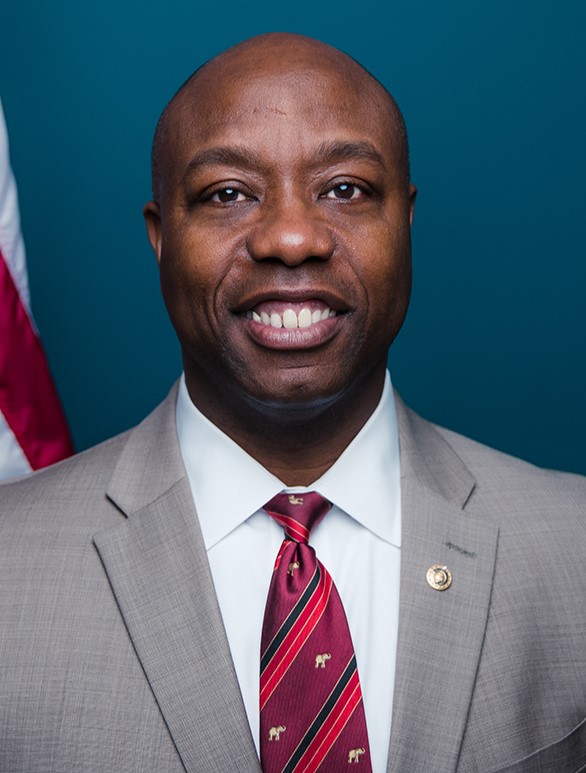
U.S. Sen. Tim Scott said the Treasury Department’s new nomination period for Qualified Opportunity Zones will continue to draw private investment to overlooked communities in South Carolina and nationwide.
Based on a release from U.S. Sen. Tim Scott.
WASHINGTON — U.S. Sen. Tim Scott, R-S.C., issued a statement after the U.S. Department of the Treasury announced it is opening its next round of nominations for communities to be designated as Qualified Opportunity Zones, according to the Office of Sen. Tim Scott. During the nomination period, governors can submit communities for consideration as Opportunity Zones.
“I am proud of the work done to make Opportunity Zones a reality, but I am even prouder of the lives changed, communities strengthened, and small businesses revived as an outcome of this innovative tool,” Scott said, according to his office. “I am confident that through the partnership with local and federal leaders, these new designations will continue to bring billions of dollars in private investment to overlooked communities in South Carolina and across the country. When we make sure no community is left behind, America wins, South Carolina wins, and the American Dream once again becomes a reality for millions of families.”
Scott created the Opportunity Zones program as part of the Tax Cuts and Jobs Act of 2017 to encourage private investment in low-income and overlooked communities through targeted tax incentives, according to his office. The Working Families Tax Cuts made Opportunity Zones permanent, supporting families, small businesses and communities nationwide, the office said.
According to Scott’s office, 8,764 census tracts have been designated as Opportunity Zones, and 31.5 million people currently live in them, with 57% of residents identified as non-white minorities. The average poverty rate in the zones is nearly 28%, and the average median family income is about $47,000, roughly $27,000 below the national figure, the office said.
Nearly one in five zones face rising poverty along with declining median family income and home values, according to the office. The zones include 2,225 food deserts, 47 Historically Black Colleges and Universities, and 16 tribal colleges, the office said.
Source: U.S. Sen. Tim Scott original release.